Human-Robot Handoff in Collaborative Assembly Cells
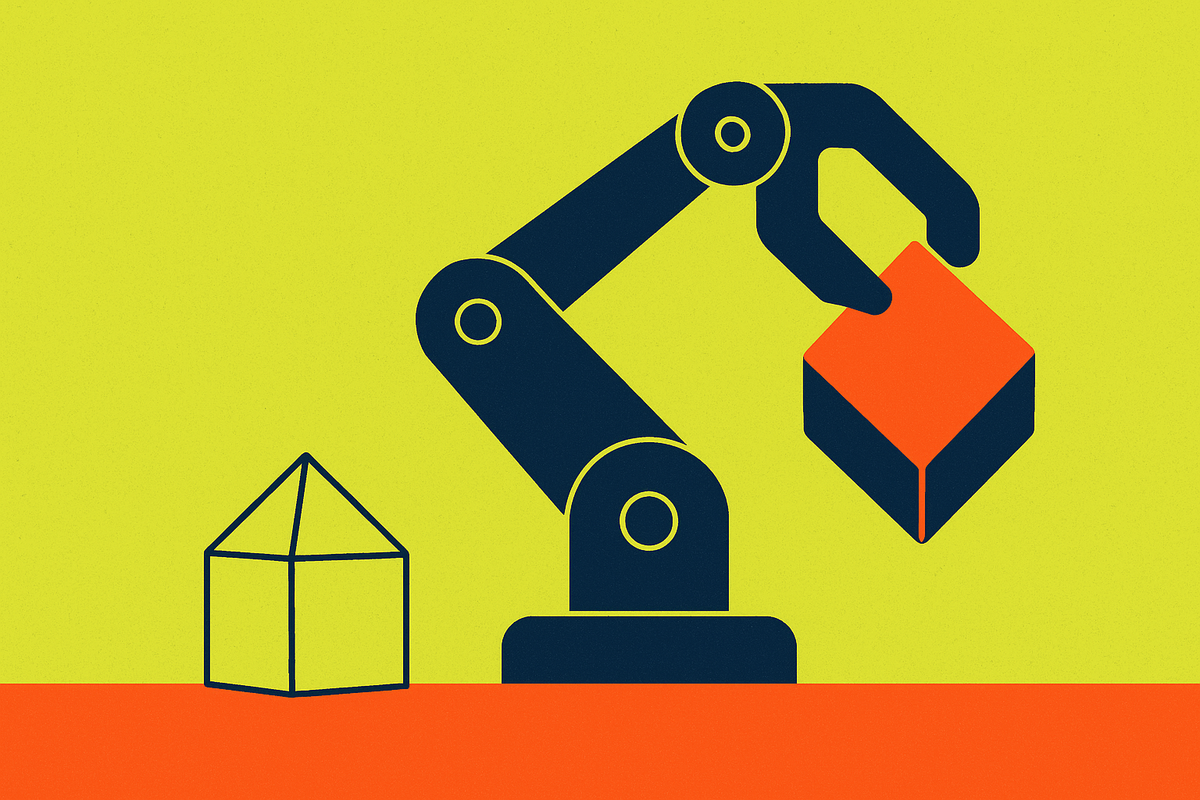
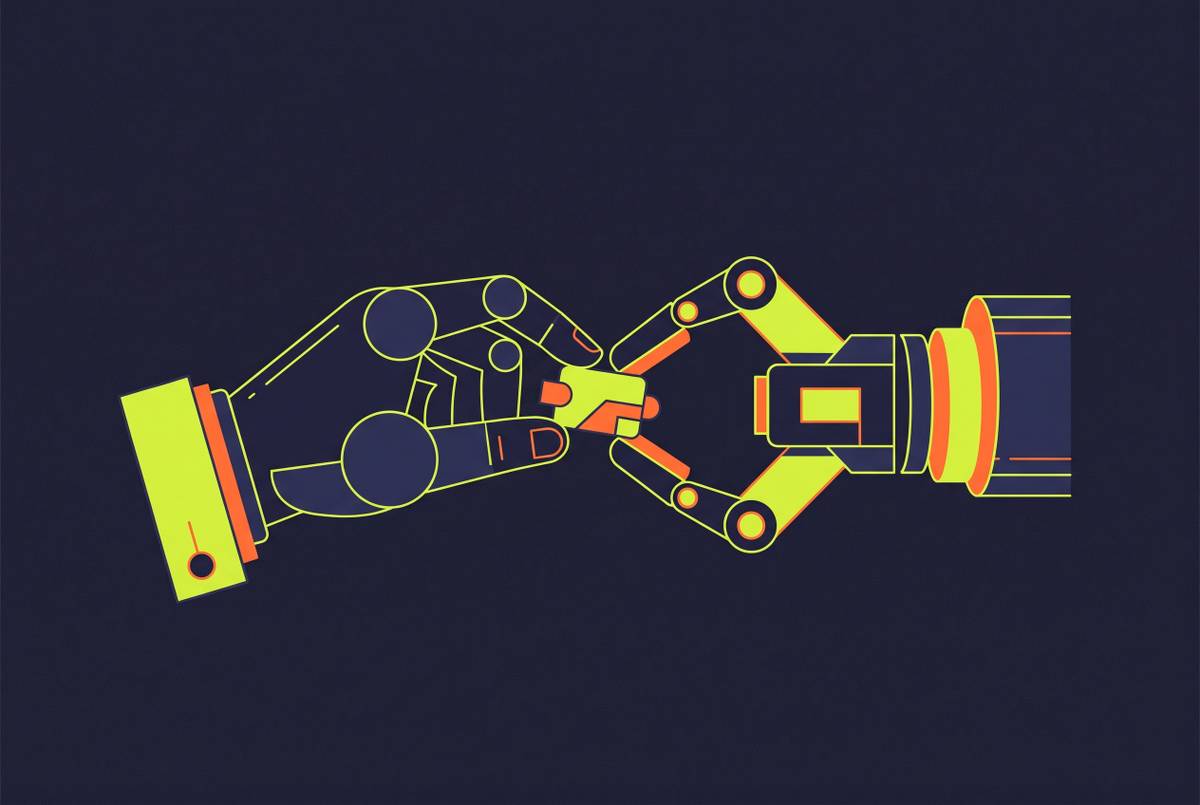
Most collaborative cells fail at the handoff, not the robot arm.
Ingrid Solheim
Robots need real-world fine-tuning after deployment to handle novel conditions.
Most collaborative cells fail at the handoff, not the robot arm.
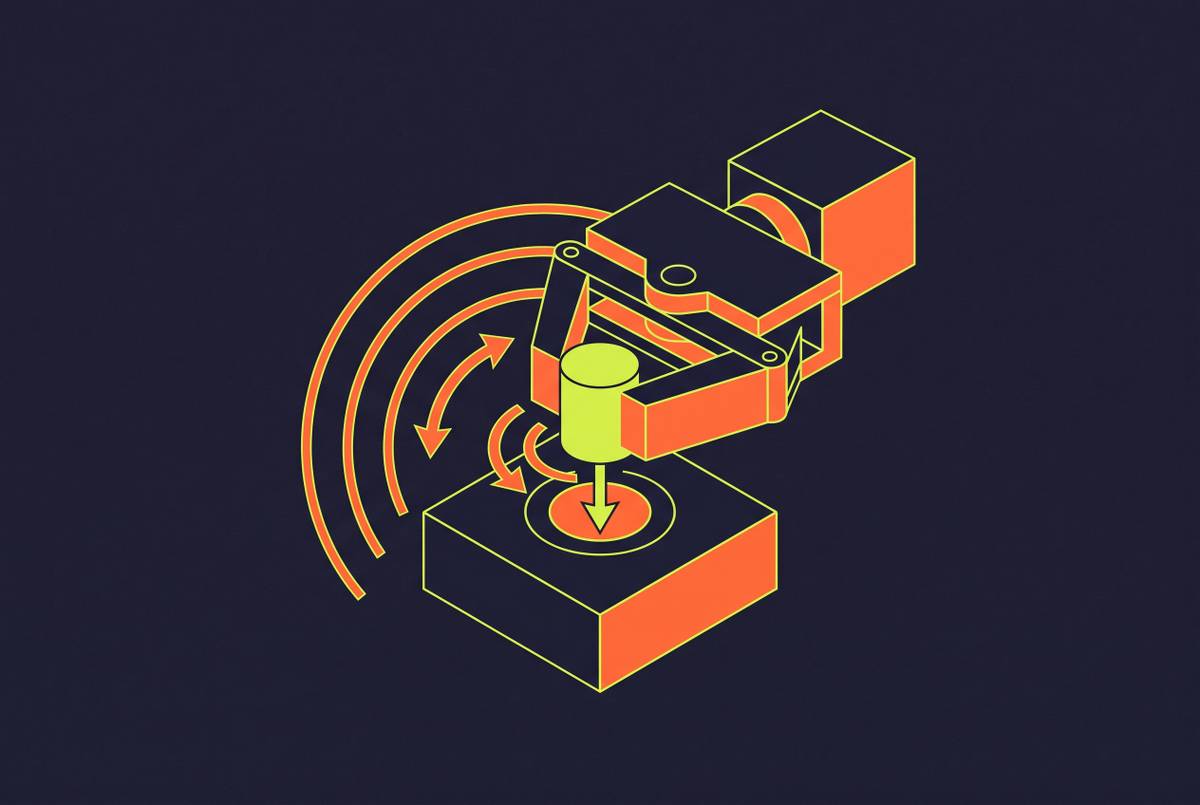
Robots feel their way through tight fits when position alone won't work.
Vision-language robots fail on unseen scenes in three distinct, fixable ways.
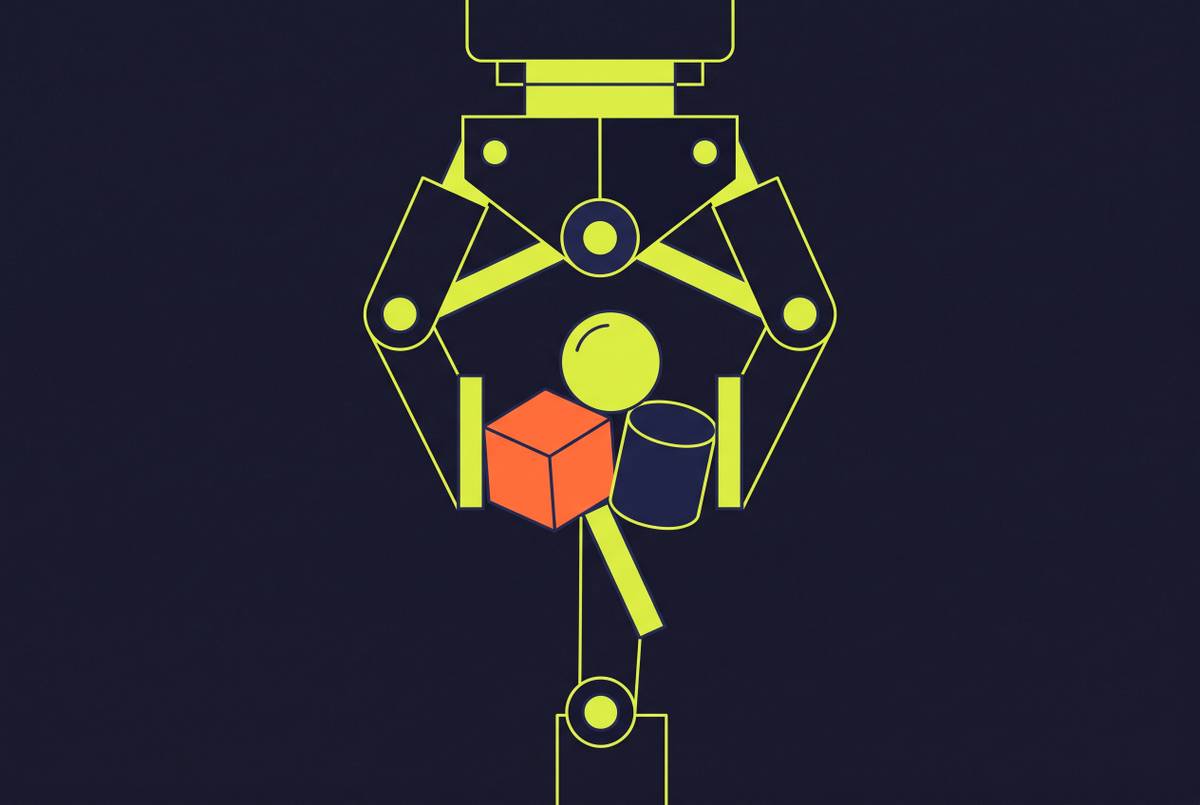
Five gripper types match different materials; picking one for all will fail.
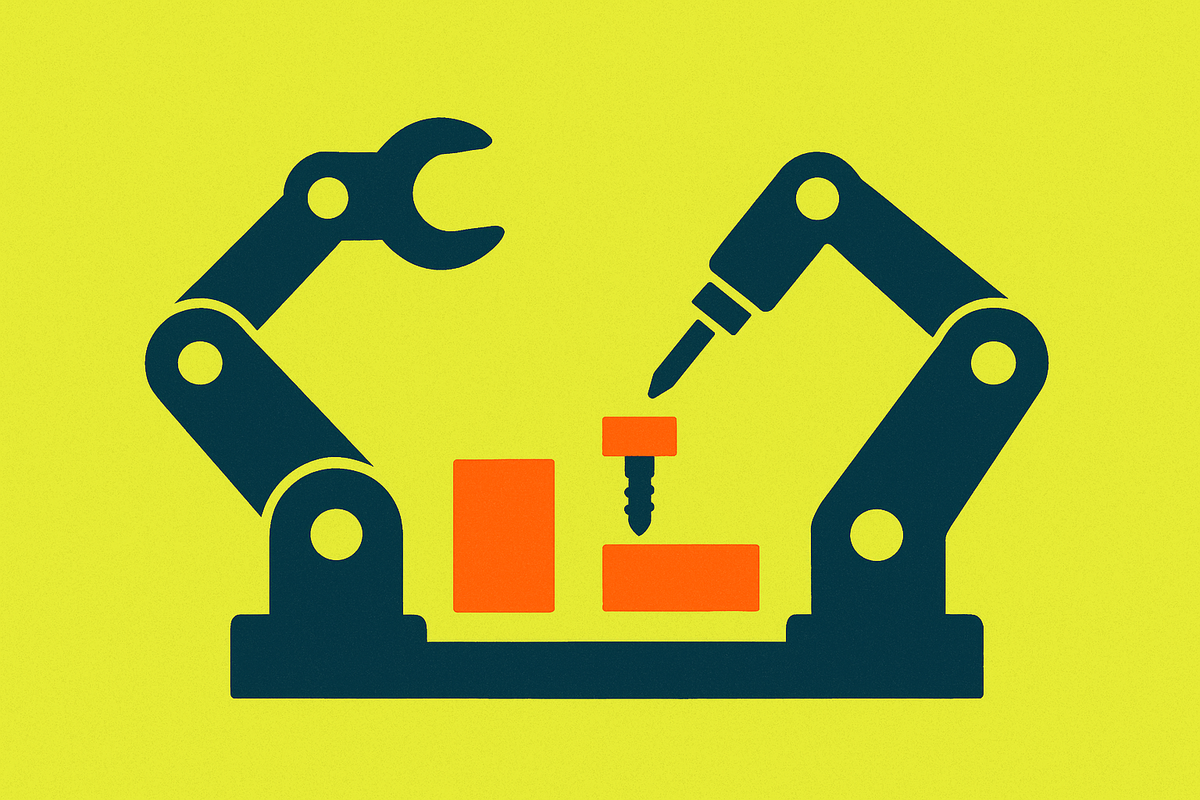
Coordinated dual-arm systems replace costly fixturing by having one arm hold while the other works.
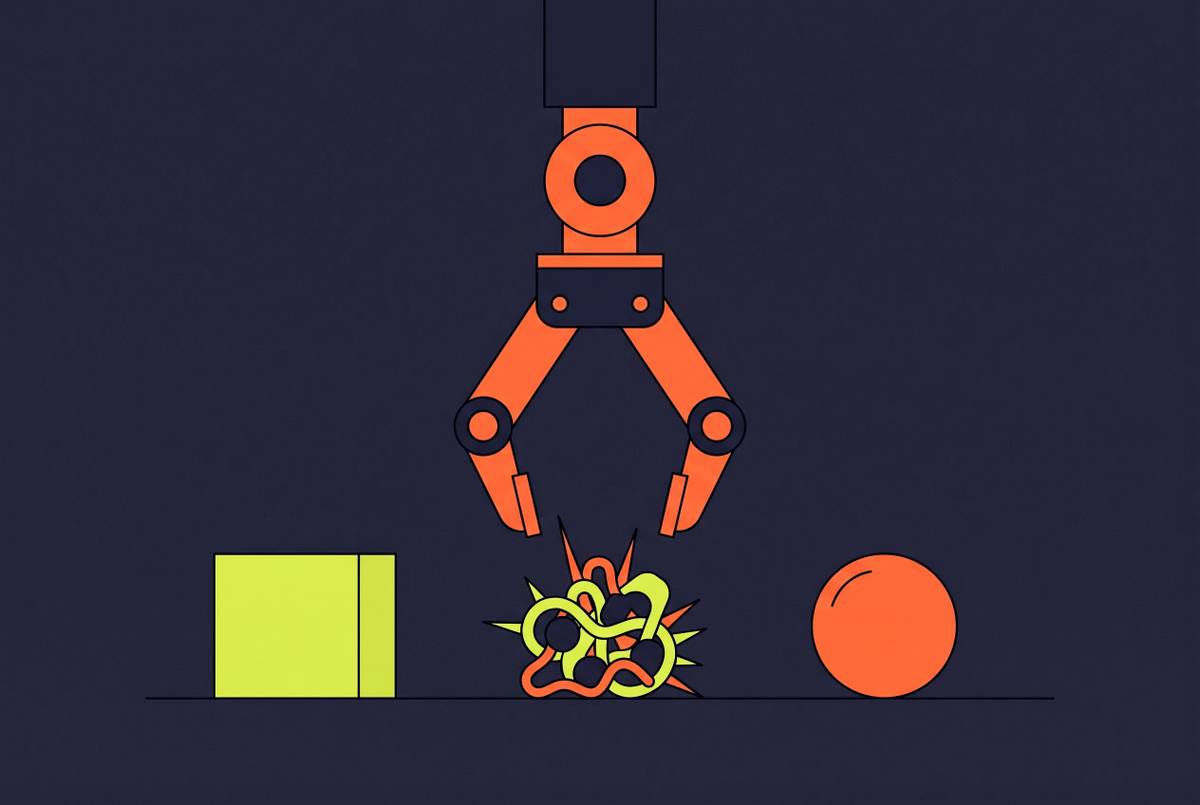
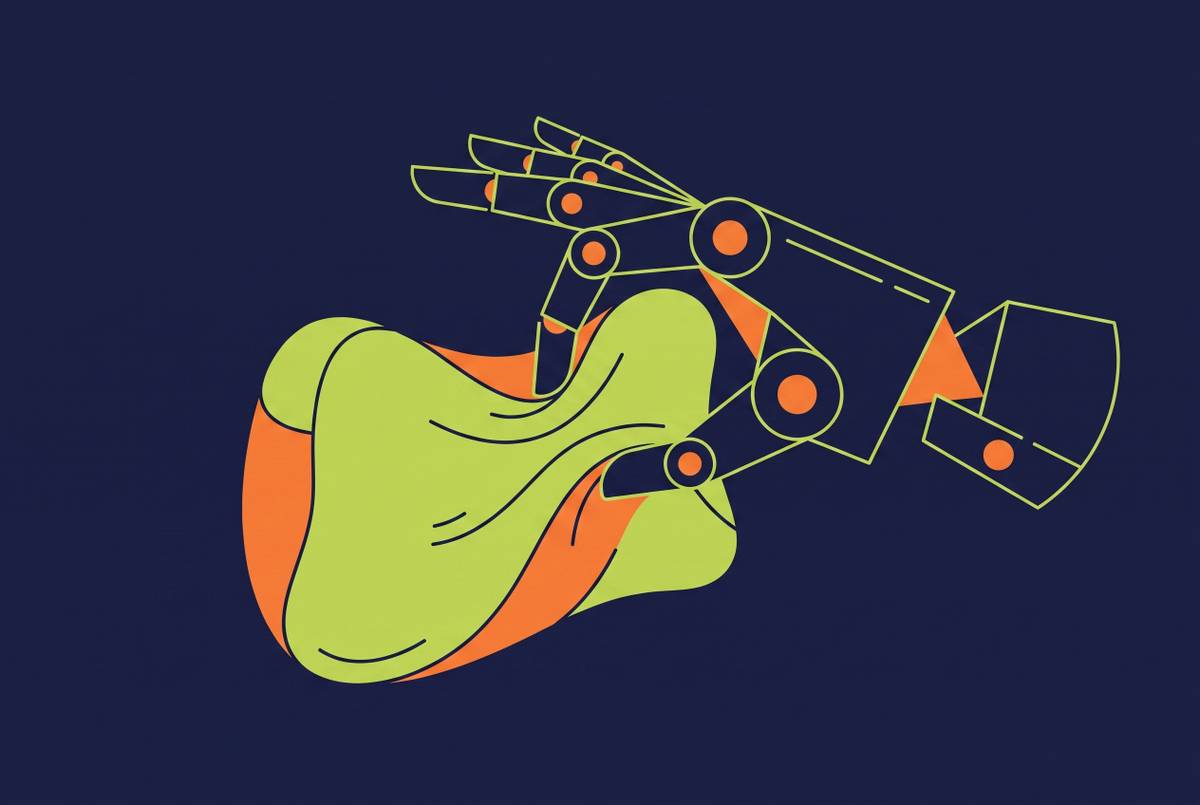
Soft grippers outperform better algorithms at handling fabric and deformable objects.
The gap between lab demos and factory floors shapes every decision on which model to pick.
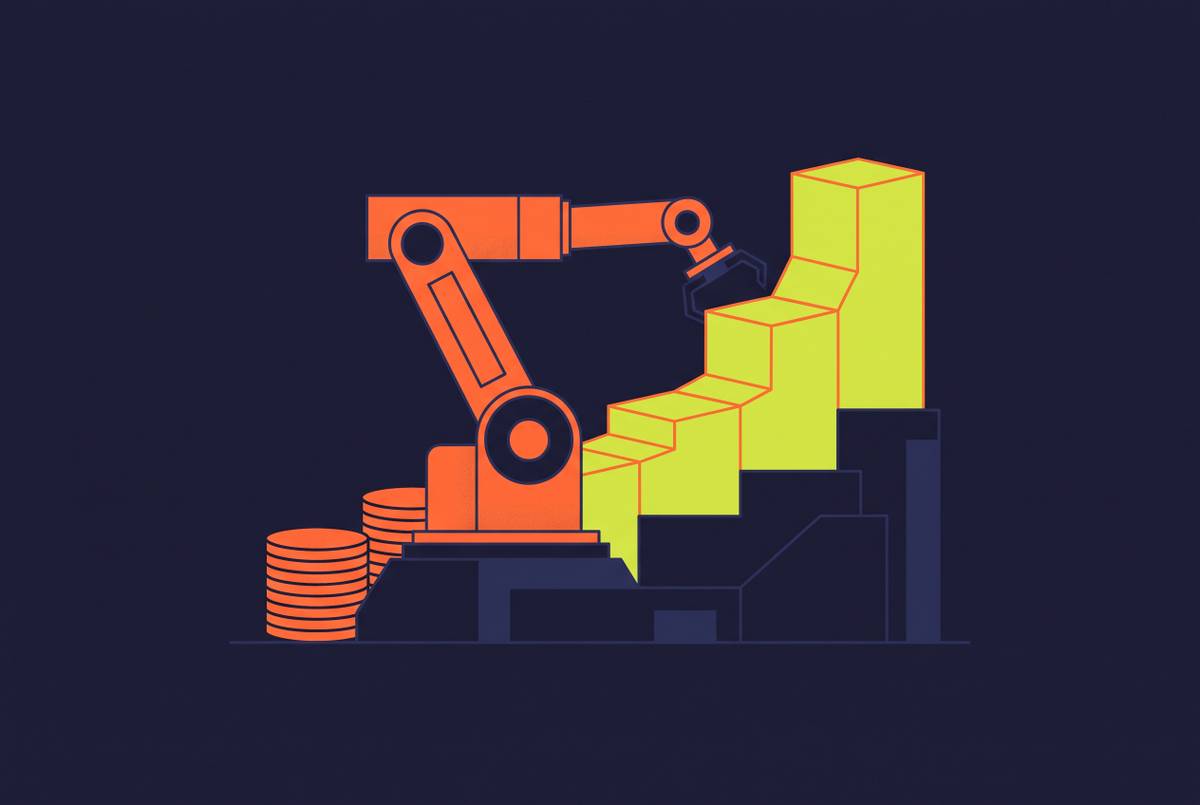
Multiply your savings by accounting for yield, throughput, quality, and energy impact.
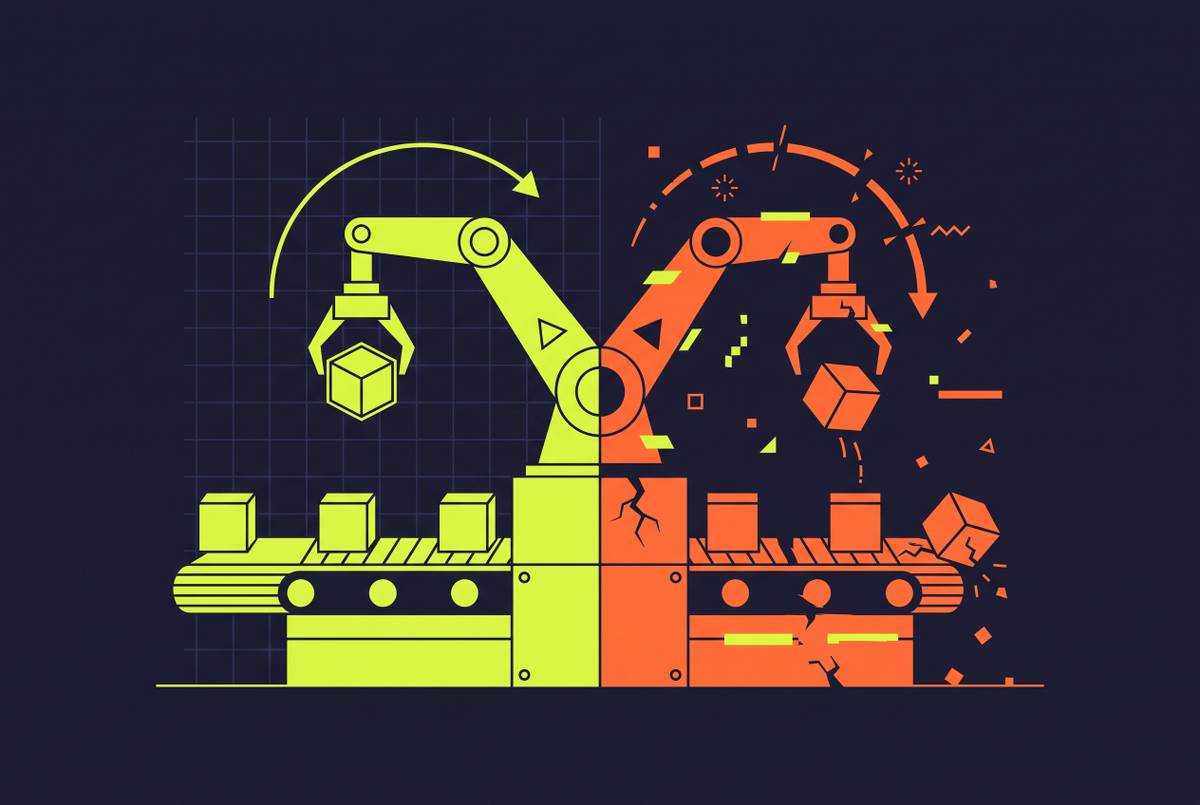
Perception failures and physics mismatches derail policies faster than anyone expects.
The hidden costs of robot retasking often dwarf the initial programming invoice.
Generalist robot arms falter when products vary, relying on humans for the work that matters most.