Reward Function Design for Industrial Manipulation Tasks
Closing the gap between what robots are rewarded to do and what you actually want them to do.
Daniel Ferreira-Lopes
Section
7 stories in Robot learning, sim-to-real and on-the-job adaptation.
Closing the gap between what robots are rewarded to do and what you actually want them to do.
Robots must learn new products without forgetting old ones to keep warehouses running.
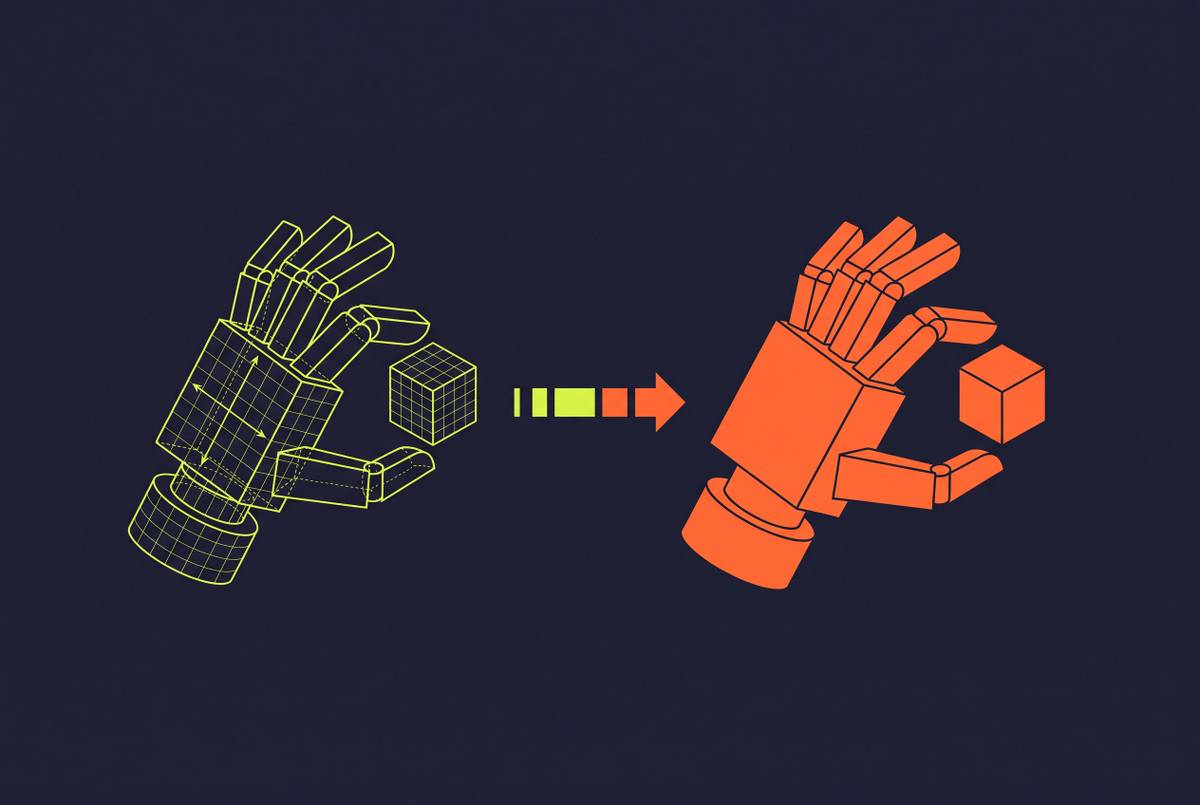
Researchers must identify which simulation parameters matter most for real-world robot grasping.
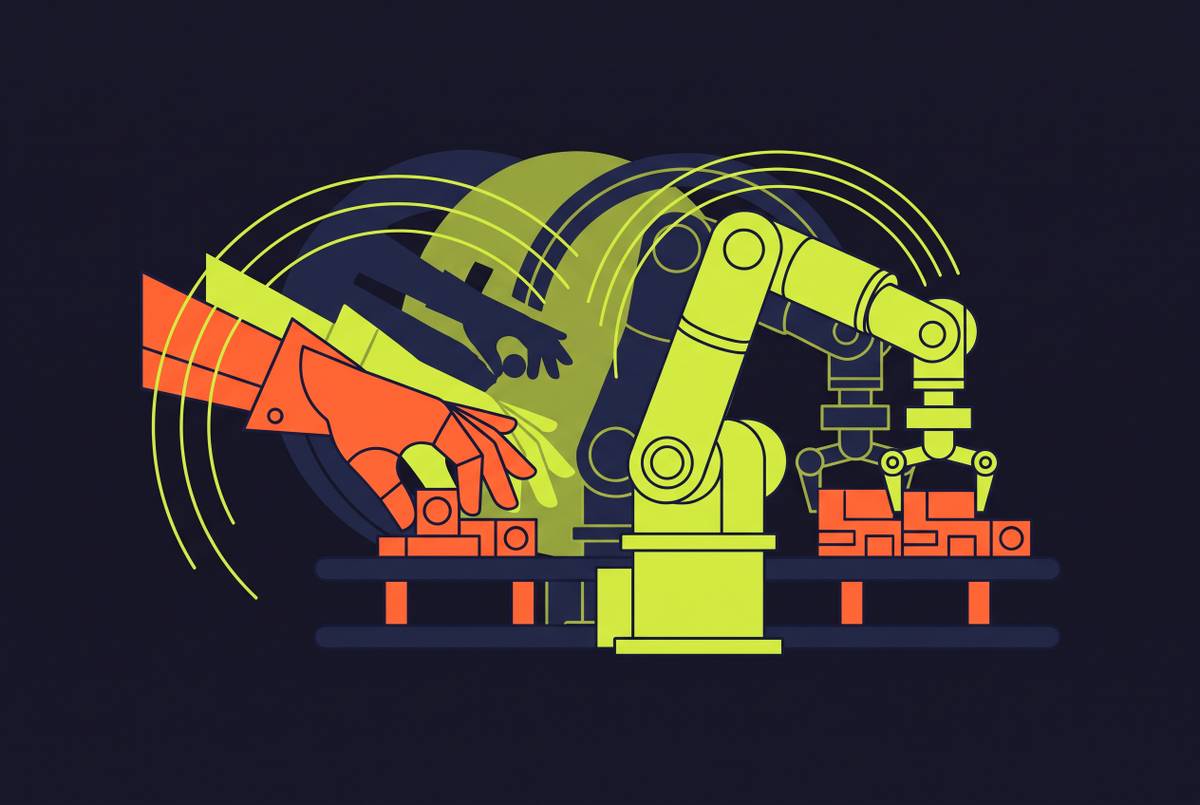
Robots learn factory tasks directly from human demonstrations, avoiding hand-coded programming.
Picking the right uncertainties to randomize matters more than randomizing everything.
Specific simulator gaps cause real-world failures, not generic noise.
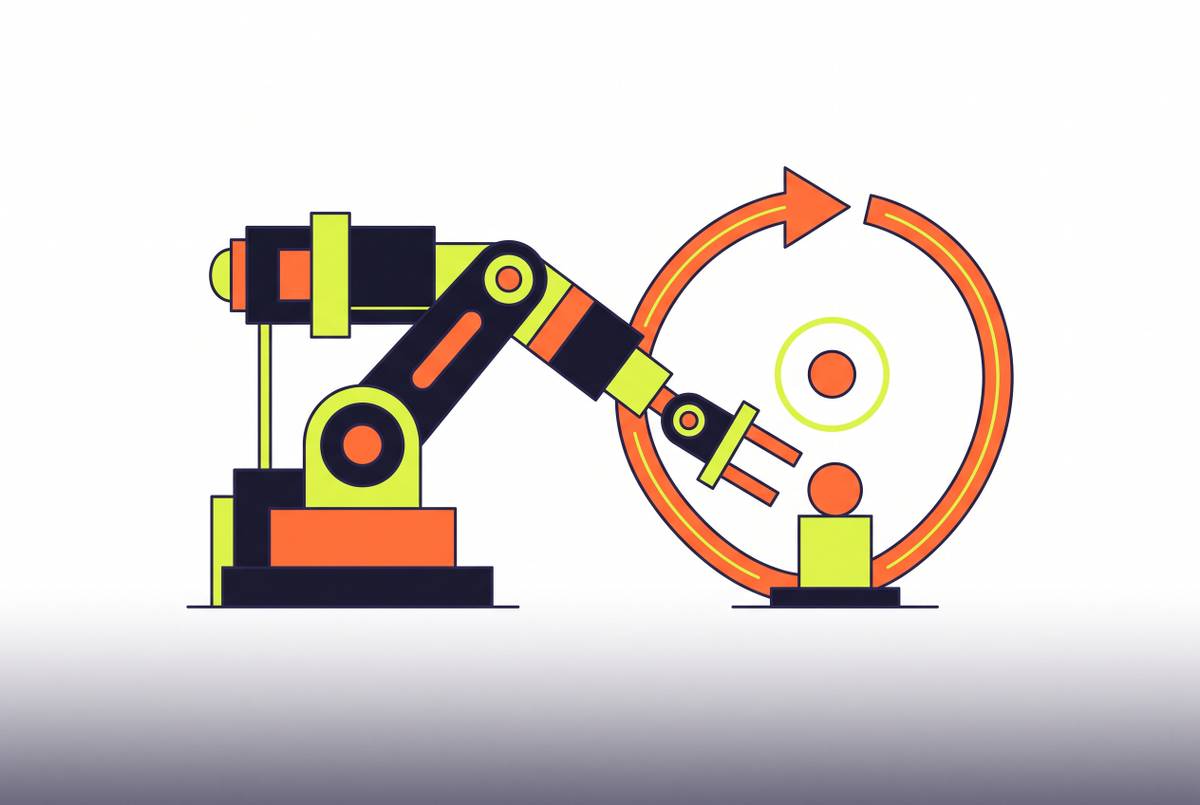
Robots need real-world fine-tuning after deployment to handle novel conditions.